mirror of
https://github.com/material-components/material-components-ios.git
synced 2026-02-20 08:27:32 +08:00
 675235ed05
Deallocating many of the properties created for each unit test. Since all XCTestCase instances survive until the end of the test suite, any properties created for a test will be preserved as well. This frees up around 3.7 MB (~6%) of memory from the entire test suite, as measured on my desktop. |Before|After| |----|----| |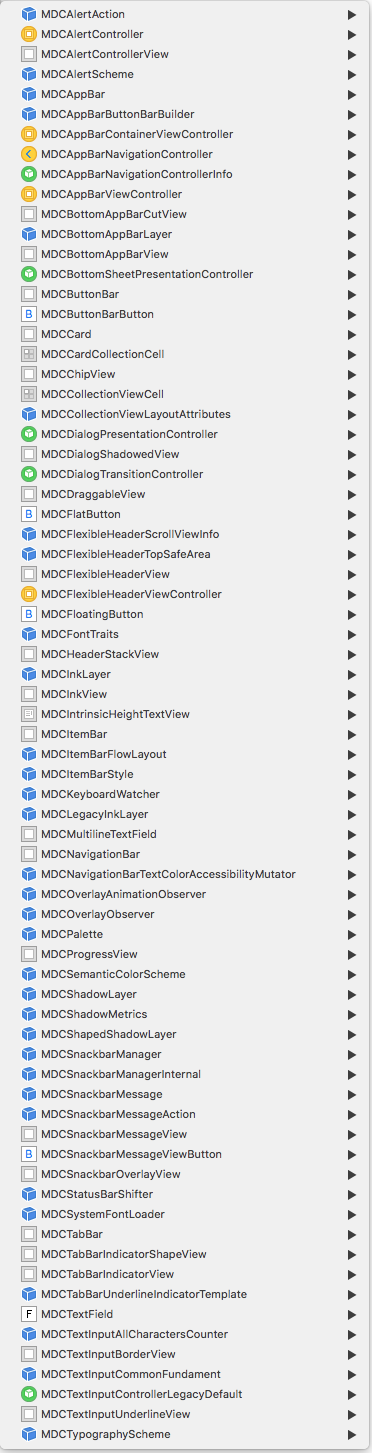|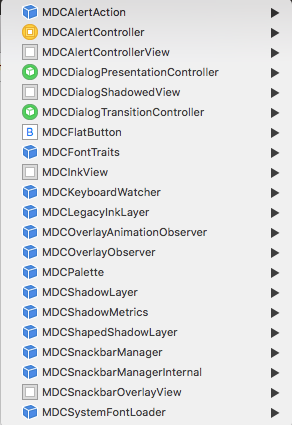| See also: https://qualitycoding.org/xctestcase-teardown/ Closes #5395


113 lines
3.5 KiB
Swift
113 lines
3.5 KiB
Swift
// Copyright 2018-present the Material Components for iOS authors. All Rights Reserved.
|
|
//
|
|
// Licensed under the Apache License, Version 2.0 (the "License");
|
|
// you may not use this file except in compliance with the License.
|
|
// You may obtain a copy of the License at
|
|
//
|
|
// http://www.apache.org/licenses/LICENSE-2.0
|
|
//
|
|
// Unless required by applicable law or agreed to in writing, software
|
|
// distributed under the License is distributed on an "AS IS" BASIS,
|
|
// WITHOUT WARRANTIES OR CONDITIONS OF ANY KIND, either express or implied.
|
|
// See the License for the specific language governing permissions and
|
|
// limitations under the License.
|
|
|
|
import XCTest
|
|
import MaterialComponents.MaterialNavigationBar
|
|
import MaterialComponents.MaterialButtons
|
|
|
|
class NavigationBarButtonLayoutTests: XCTestCase {
|
|
|
|
var navigationBar: MDCNavigationBar!
|
|
|
|
override func setUp() {
|
|
super.setUp()
|
|
|
|
navigationBar = MDCNavigationBar()
|
|
}
|
|
|
|
override func tearDown() {
|
|
navigationBar = nil
|
|
|
|
super.tearDown()
|
|
}
|
|
|
|
private func recursiveSubviews(of superview: UIView) -> [UIView] {
|
|
var subviews = superview.subviews
|
|
for subview in superview.subviews {
|
|
subviews.append(contentsOf: recursiveSubviews(of: subview))
|
|
}
|
|
return subviews
|
|
}
|
|
|
|
func testInitialLayoutMatchesSizeThatFitsWidth() {
|
|
// Given
|
|
navigationBar.leadingBarButtonItems = [
|
|
UIBarButtonItem(title: "Text", style: .plain, target: nil, action: nil)
|
|
]
|
|
navigationBar.trailingBarButtonItems = [
|
|
UIBarButtonItem(title: "Text 2", style: .plain, target: nil, action: nil)
|
|
]
|
|
|
|
// Then
|
|
for view in recursiveSubviews(of: navigationBar) {
|
|
if let button = view as? MDCButton {
|
|
let width = button.sizeThatFits(CGSize(width: CGFloat.infinity,
|
|
height: CGFloat.infinity)).width
|
|
XCTAssertEqual(width, button.bounds.width)
|
|
}
|
|
}
|
|
}
|
|
|
|
func testChangingTitleUpdatesLayoutToMatchSizeThatFitsWidth() {
|
|
// Given
|
|
navigationBar.leadingBarButtonItems = [
|
|
UIBarButtonItem(title: "Text", style: .plain, target: nil, action: nil)
|
|
]
|
|
navigationBar.trailingBarButtonItems = [
|
|
UIBarButtonItem(title: "Text 2", style: .plain, target: nil, action: nil)
|
|
]
|
|
|
|
// When
|
|
navigationBar.leadingBarButtonItems?.forEach {
|
|
$0.title = "Longer title"
|
|
}
|
|
navigationBar.trailingBarButtonItems?.forEach {
|
|
$0.title = "Longer title"
|
|
}
|
|
navigationBar.layoutIfNeeded()
|
|
|
|
// Then
|
|
for view in recursiveSubviews(of: navigationBar) {
|
|
if let button = view as? MDCButton {
|
|
let width = button.sizeThatFits(CGSize(width: CGFloat.infinity,
|
|
height: CGFloat.infinity)).width
|
|
XCTAssertEqual(width, button.bounds.width)
|
|
}
|
|
}
|
|
}
|
|
|
|
func testChangingTitleFontUpdatesLayoutToMatchSizeThatFitsWidth() {
|
|
// Given
|
|
navigationBar.leadingBarButtonItems = [
|
|
UIBarButtonItem(title: "Text", style: .plain, target: nil, action: nil)
|
|
]
|
|
navigationBar.trailingBarButtonItems = [
|
|
UIBarButtonItem(title: "Text 2", style: .plain, target: nil, action: nil)
|
|
]
|
|
|
|
// When
|
|
navigationBar.setButtonsTitleFont(UIFont.systemFont(ofSize: 20), for: .normal)
|
|
navigationBar.layoutIfNeeded()
|
|
|
|
// Then
|
|
for view in recursiveSubviews(of: navigationBar) {
|
|
if let button = view as? MDCButton {
|
|
let width = button.sizeThatFits(CGSize(width: CGFloat.infinity,
|
|
height: CGFloat.infinity)).width
|
|
XCTAssertEqual(width, button.bounds.width)
|
|
}
|
|
}
|
|
}
|
|
}
|