mirror of
https://github.com/flutter/flutter.git
synced 2026-02-20 02:29:02 +08:00

397 lines
14 KiB
Dart
397 lines
14 KiB
Dart
// Copyright 2014 The Flutter Authors. All rights reserved.
|
|
// Use of this source code is governed by a BSD-style license that can be
|
|
// found in the LICENSE file.
|
|
|
|
import 'dart:math' as math;
|
|
|
|
import 'package:flutter/foundation.dart';
|
|
import 'package:flutter/widgets.dart';
|
|
|
|
import 'constants.dart';
|
|
import 'debug.dart';
|
|
import 'icons.dart';
|
|
import 'ink_well.dart';
|
|
import 'material.dart';
|
|
import 'theme.dart';
|
|
import 'theme_data.dart';
|
|
import 'tooltip.dart';
|
|
|
|
// Minimum logical pixel size of the IconButton.
|
|
// See: <https://material.io/design/usability/accessibility.html#layout-typography>.
|
|
const double _kMinButtonSize = kMinInteractiveDimension;
|
|
|
|
/// A material design icon button.
|
|
///
|
|
/// An icon button is a picture printed on a [Material] widget that reacts to
|
|
/// touches by filling with color (ink).
|
|
///
|
|
/// Icon buttons are commonly used in the [AppBar.actions] field, but they can
|
|
/// be used in many other places as well.
|
|
///
|
|
/// If the [onPressed] callback is null, then the button will be disabled and
|
|
/// will not react to touch.
|
|
///
|
|
/// Requires one of its ancestors to be a [Material] widget.
|
|
///
|
|
/// The hit region of an icon button will, if possible, be at least
|
|
/// kMinInteractiveDimension pixels in size, regardless of the actual
|
|
/// [iconSize], to satisfy the [touch target size](https://material.io/design/layout/spacing-methods.html#touch-targets)
|
|
/// requirements in the Material Design specification. The [alignment] controls
|
|
/// how the icon itself is positioned within the hit region.
|
|
///
|
|
/// {@tool dartpad --template=stateful_widget_scaffold_center}
|
|
///
|
|
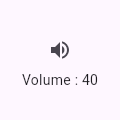
/// This sample shows an `IconButton` that uses the Material icon "volume_up" to
|
|
/// increase the volume.
|
|
///
|
|
/// 
|
|
///
|
|
/// ```dart preamble
|
|
/// double _volume = 0.0;
|
|
/// ```
|
|
///
|
|
/// ```dart
|
|
/// Widget build(BuildContext context) {
|
|
/// return Column(
|
|
/// mainAxisSize: MainAxisSize.min,
|
|
/// children: <Widget>[
|
|
/// IconButton(
|
|
/// icon: Icon(Icons.volume_up),
|
|
/// tooltip: 'Increase volume by 10',
|
|
/// onPressed: () {
|
|
/// setState(() {
|
|
/// _volume += 10;
|
|
/// });
|
|
/// },
|
|
/// ),
|
|
/// Text('Volume : $_volume')
|
|
/// ],
|
|
/// );
|
|
/// }
|
|
/// ```
|
|
/// {@end-tool}
|
|
///
|
|
/// ### Adding a filled background
|
|
///
|
|
/// Icon buttons don't support specifying a background color or other
|
|
/// background decoration because typically the icon is just displayed
|
|
/// on top of the parent widget's background. Icon buttons that appear
|
|
/// in [AppBar.actions] are an example of this.
|
|
///
|
|
/// It's easy enough to create an icon button with a filled background
|
|
/// using the [Ink] widget. The [Ink] widget renders a decoration on
|
|
/// the underlying [Material] along with the splash and highlight
|
|
/// [InkResponse] contributed by descendant widgets.
|
|
///
|
|
/// {@tool dartpad --template=stateless_widget_scaffold}
|
|
///
|
|
/// In this sample the icon button's background color is defined with an [Ink]
|
|
/// widget whose child is an [IconButton]. The icon button's filled background
|
|
/// is a light shade of blue, it's a filled circle, and it's as big as the
|
|
/// button is.
|
|
///
|
|
/// 
|
|
///
|
|
/// ```dart
|
|
/// Widget build(BuildContext context) {
|
|
/// return Material(
|
|
/// color: Colors.white,
|
|
/// child: Center(
|
|
/// child: Ink(
|
|
/// decoration: const ShapeDecoration(
|
|
/// color: Colors.lightBlue,
|
|
/// shape: CircleBorder(),
|
|
/// ),
|
|
/// child: IconButton(
|
|
/// icon: Icon(Icons.android),
|
|
/// color: Colors.white,
|
|
/// onPressed: () {},
|
|
/// ),
|
|
/// ),
|
|
/// ),
|
|
/// );
|
|
/// }
|
|
/// ```
|
|
/// {@end-tool}
|
|
///
|
|
/// See also:
|
|
///
|
|
/// * [Icons], a library of predefined icons.
|
|
/// * [BackButton], an icon button for a "back" affordance which adapts to the
|
|
/// current platform's conventions.
|
|
/// * [CloseButton], an icon button for closing pages.
|
|
/// * [AppBar], to show a toolbar at the top of an application.
|
|
/// * [RaisedButton] and [FlatButton], for buttons with text in them.
|
|
/// * [InkResponse] and [InkWell], for the ink splash effect itself.
|
|
class IconButton extends StatelessWidget {
|
|
/// Creates an icon button.
|
|
///
|
|
/// Icon buttons are commonly used in the [AppBar.actions] field, but they can
|
|
/// be used in many other places as well.
|
|
///
|
|
/// Requires one of its ancestors to be a [Material] widget.
|
|
///
|
|
/// The [iconSize], [padding], [autofocus], and [alignment] arguments must not
|
|
/// be null (though they each have default values).
|
|
///
|
|
/// The [icon] argument must be specified, and is typically either an [Icon]
|
|
/// or an [ImageIcon].
|
|
const IconButton({
|
|
Key key,
|
|
this.iconSize = 24.0,
|
|
this.visualDensity,
|
|
this.padding = const EdgeInsets.all(8.0),
|
|
this.alignment = Alignment.center,
|
|
@required this.icon,
|
|
this.color,
|
|
this.focusColor,
|
|
this.hoverColor,
|
|
this.highlightColor,
|
|
this.splashColor,
|
|
this.disabledColor,
|
|
@required this.onPressed,
|
|
this.focusNode,
|
|
this.autofocus = false,
|
|
this.tooltip,
|
|
this.enableFeedback = true,
|
|
this.constraints,
|
|
}) : assert(iconSize != null),
|
|
assert(padding != null),
|
|
assert(alignment != null),
|
|
assert(autofocus != null),
|
|
assert(icon != null),
|
|
super(key: key);
|
|
|
|
/// The size of the icon inside the button.
|
|
///
|
|
/// This property must not be null. It defaults to 24.0.
|
|
///
|
|
/// The size given here is passed down to the widget in the [icon] property
|
|
/// via an [IconTheme]. Setting the size here instead of in, for example, the
|
|
/// [Icon.size] property allows the [IconButton] to size the splash area to
|
|
/// fit the [Icon]. If you were to set the size of the [Icon] using
|
|
/// [Icon.size] instead, then the [IconButton] would default to 24.0 and then
|
|
/// the [Icon] itself would likely get clipped.
|
|
final double iconSize;
|
|
|
|
/// Defines how compact the icon button's layout will be.
|
|
///
|
|
/// {@macro flutter.material.themedata.visualDensity}
|
|
///
|
|
/// See also:
|
|
///
|
|
/// * [ThemeData.visualDensity], which specifies the [density] for all widgets
|
|
/// within a [Theme].
|
|
final VisualDensity visualDensity;
|
|
|
|
/// The padding around the button's icon. The entire padded icon will react
|
|
/// to input gestures.
|
|
///
|
|
/// This property must not be null. It defaults to 8.0 padding on all sides.
|
|
final EdgeInsetsGeometry padding;
|
|
|
|
/// Defines how the icon is positioned within the IconButton.
|
|
///
|
|
/// This property must not be null. It defaults to [Alignment.center].
|
|
///
|
|
/// See also:
|
|
///
|
|
/// * [Alignment], a class with convenient constants typically used to
|
|
/// specify an [AlignmentGeometry].
|
|
/// * [AlignmentDirectional], like [Alignment] for specifying alignments
|
|
/// relative to text direction.
|
|
final AlignmentGeometry alignment;
|
|
|
|
/// The icon to display inside the button.
|
|
///
|
|
/// The [Icon.size] and [Icon.color] of the icon is configured automatically
|
|
/// based on the [iconSize] and [color] properties of _this_ widget using an
|
|
/// [IconTheme] and therefore should not be explicitly given in the icon
|
|
/// widget.
|
|
///
|
|
/// This property must not be null.
|
|
///
|
|
/// See [Icon], [ImageIcon].
|
|
final Widget icon;
|
|
|
|
/// The color for the button's icon when it has the input focus.
|
|
///
|
|
/// Defaults to [ThemeData.focusColor] of the ambient theme.
|
|
final Color focusColor;
|
|
|
|
/// The color for the button's icon when a pointer is hovering over it.
|
|
///
|
|
/// Defaults to [ThemeData.hoverColor] of the ambient theme.
|
|
final Color hoverColor;
|
|
|
|
/// The color to use for the icon inside the button, if the icon is enabled.
|
|
/// Defaults to leaving this up to the [icon] widget.
|
|
///
|
|
/// The icon is enabled if [onPressed] is not null.
|
|
///
|
|
/// ```dart
|
|
/// IconButton(
|
|
/// color: Colors.blue,
|
|
/// onPressed: _handleTap,
|
|
/// icon: Icons.widgets,
|
|
/// )
|
|
/// ```
|
|
final Color color;
|
|
|
|
/// The primary color of the button when the button is in the down (pressed) state.
|
|
/// The splash is represented as a circular overlay that appears above the
|
|
/// [highlightColor] overlay. The splash overlay has a center point that matches
|
|
/// the hit point of the user touch event. The splash overlay will expand to
|
|
/// fill the button area if the touch is held for long enough time. If the splash
|
|
/// color has transparency then the highlight and button color will show through.
|
|
///
|
|
/// Defaults to the Theme's splash color, [ThemeData.splashColor].
|
|
final Color splashColor;
|
|
|
|
/// The secondary color of the button when the button is in the down (pressed)
|
|
/// state. The highlight color is represented as a solid color that is overlaid over the
|
|
/// button color (if any). If the highlight color has transparency, the button color
|
|
/// will show through. The highlight fades in quickly as the button is held down.
|
|
///
|
|
/// Defaults to the Theme's highlight color, [ThemeData.highlightColor].
|
|
final Color highlightColor;
|
|
|
|
/// The color to use for the icon inside the button, if the icon is disabled.
|
|
/// Defaults to the [ThemeData.disabledColor] of the current [Theme].
|
|
///
|
|
/// The icon is disabled if [onPressed] is null.
|
|
final Color disabledColor;
|
|
|
|
/// The callback that is called when the button is tapped or otherwise activated.
|
|
///
|
|
/// If this is set to null, the button will be disabled.
|
|
final VoidCallback onPressed;
|
|
|
|
/// {@macro flutter.widgets.Focus.focusNode}
|
|
final FocusNode focusNode;
|
|
|
|
/// {@macro flutter.widgets.Focus.autofocus}
|
|
final bool autofocus;
|
|
|
|
/// Text that describes the action that will occur when the button is pressed.
|
|
///
|
|
/// This text is displayed when the user long-presses on the button and is
|
|
/// used for accessibility.
|
|
final String tooltip;
|
|
|
|
/// Whether detected gestures should provide acoustic and/or haptic feedback.
|
|
///
|
|
/// For example, on Android a tap will produce a clicking sound and a
|
|
/// long-press will produce a short vibration, when feedback is enabled.
|
|
///
|
|
/// See also:
|
|
///
|
|
/// * [Feedback] for providing platform-specific feedback to certain actions.
|
|
final bool enableFeedback;
|
|
|
|
/// Optional size constraints for the button.
|
|
///
|
|
/// When unspecified, defaults to:
|
|
/// ```dart
|
|
/// const BoxConstraints(
|
|
/// minWidth: kMinInteractiveDimension,
|
|
/// minHeight: kMinInteractiveDimension,
|
|
/// )
|
|
/// ```
|
|
/// where [kMinInteractiveDimension] is 48.0, and then with visual density
|
|
/// applied.
|
|
///
|
|
/// The default constraints ensure that the button is accessible.
|
|
/// Specifying this parameter enables creation of buttons smaller than
|
|
/// the minimum size, but it is not recommended.
|
|
///
|
|
/// The visual density uses the [visualDensity] parameter if specified,
|
|
/// and `Theme.of(context).visualDensity` otherwise.
|
|
final BoxConstraints constraints;
|
|
|
|
@override
|
|
Widget build(BuildContext context) {
|
|
assert(debugCheckHasMaterial(context));
|
|
final ThemeData theme = Theme.of(context);
|
|
Color currentColor;
|
|
if (onPressed != null)
|
|
currentColor = color;
|
|
else
|
|
currentColor = disabledColor ?? theme.disabledColor;
|
|
|
|
final VisualDensity effectiveVisualDensity = visualDensity ?? theme.visualDensity;
|
|
|
|
final BoxConstraints unadjustedConstraints = constraints ?? const BoxConstraints(
|
|
minWidth: _kMinButtonSize,
|
|
minHeight: _kMinButtonSize,
|
|
);
|
|
final BoxConstraints adjustedConstraints = effectiveVisualDensity.effectiveConstraints(unadjustedConstraints);
|
|
|
|
Widget result = ConstrainedBox(
|
|
constraints: adjustedConstraints,
|
|
child: Padding(
|
|
padding: padding,
|
|
child: SizedBox(
|
|
height: iconSize,
|
|
width: iconSize,
|
|
child: Align(
|
|
alignment: alignment,
|
|
child: IconTheme.merge(
|
|
data: IconThemeData(
|
|
size: iconSize,
|
|
color: currentColor,
|
|
),
|
|
child: icon,
|
|
),
|
|
),
|
|
),
|
|
),
|
|
);
|
|
|
|
if (tooltip != null) {
|
|
result = Tooltip(
|
|
message: tooltip,
|
|
child: result,
|
|
);
|
|
}
|
|
|
|
return Semantics(
|
|
button: true,
|
|
enabled: onPressed != null,
|
|
child: InkResponse(
|
|
focusNode: focusNode,
|
|
autofocus: autofocus,
|
|
canRequestFocus: onPressed != null,
|
|
onTap: onPressed,
|
|
enableFeedback: enableFeedback,
|
|
child: result,
|
|
focusColor: focusColor ?? Theme.of(context).focusColor,
|
|
hoverColor: hoverColor ?? Theme.of(context).hoverColor,
|
|
highlightColor: highlightColor ?? Theme.of(context).highlightColor,
|
|
splashColor: splashColor ?? Theme.of(context).splashColor,
|
|
radius: math.max(
|
|
Material.defaultSplashRadius,
|
|
(iconSize + math.min(padding.horizontal, padding.vertical)) * 0.7,
|
|
// x 0.5 for diameter -> radius and + 40% overflow derived from other Material apps.
|
|
),
|
|
),
|
|
);
|
|
}
|
|
|
|
@override
|
|
void debugFillProperties(DiagnosticPropertiesBuilder properties) {
|
|
super.debugFillProperties(properties);
|
|
properties.add(DiagnosticsProperty<Widget>('icon', icon, showName: false));
|
|
properties.add(StringProperty('tooltip', tooltip, defaultValue: null, quoted: false));
|
|
properties.add(ObjectFlagProperty<VoidCallback>('onPressed', onPressed, ifNull: 'disabled'));
|
|
properties.add(ColorProperty('color', color, defaultValue: null));
|
|
properties.add(ColorProperty('disabledColor', disabledColor, defaultValue: null));
|
|
properties.add(ColorProperty('focusColor', focusColor, defaultValue: null));
|
|
properties.add(ColorProperty('hoverColor', hoverColor, defaultValue: null));
|
|
properties.add(ColorProperty('highlightColor', highlightColor, defaultValue: null));
|
|
properties.add(ColorProperty('splashColor', splashColor, defaultValue: null));
|
|
properties.add(DiagnosticsProperty<EdgeInsetsGeometry>('padding', padding, defaultValue: null));
|
|
properties.add(DiagnosticsProperty<FocusNode>('focusNode', focusNode, defaultValue: null));
|
|
}
|
|
}
|